Trout Stocking in West Virginia: Complete Guide to Stocking Schedules, Locations, and Trout Fishing
How the WVDNR program works, when fish are released, the best stocked destinations, and how to find recently stocked waters.
West Virginia is one of the premier trout fishing destinations in the eastern United States. With its beautiful mountain streams, cold-water rivers, and scenic lakes, the Mountain State offers outstanding fishing opportunities for anglers of all experience levels. One of the biggest reasons for this success is the state's extensive trout stocking in West Virginia program.
Managed by the West Virginia Division of Natural Resources (WVDNR), the trout stocking program releases hundreds of thousands of fish into public waters throughout the year. Whether you enjoy fly fishing in remote mountain streams or taking your children fishing at a local lake, understanding trout stocking in West Virginia can significantly improve your chances of success.
This guide explores how the stocking program works, when fish are released, popular fishing destinations, and how to locate recently stocked waters.
How Does Trout Stocking in West Virginia Work?
The WVDNR operates one of the most established trout stocking programs in the Appalachian region. Its primary purpose is to provide recreational fishing opportunities while supporting tourism and outdoor recreation.
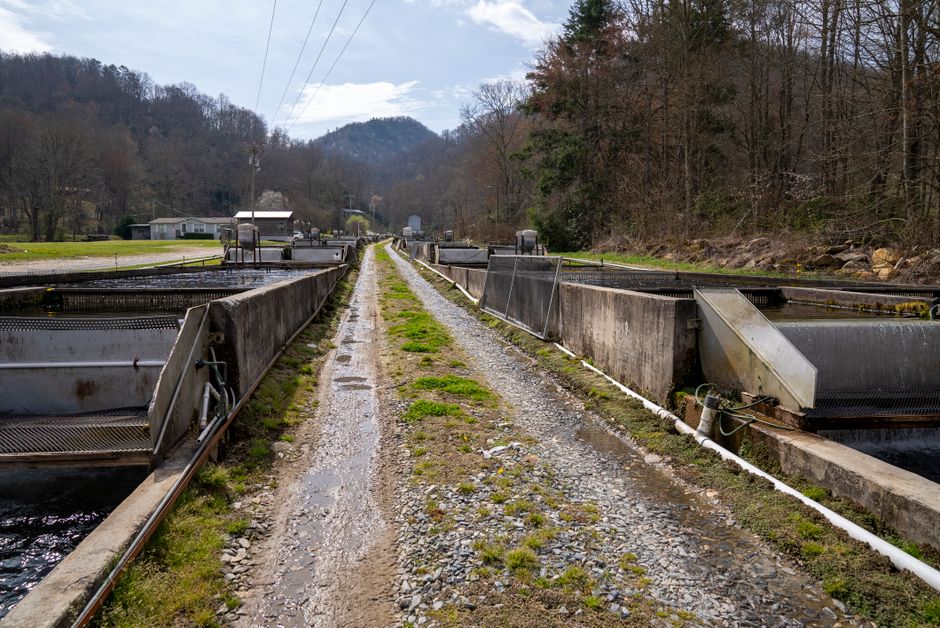
West Virginia operates seven cold-water trout hatcheries:
- Bowden Fish Hatchery
- Edray Fish Hatchery
- Petersburg Fish Hatchery
- Reeds Creek Fish Hatchery
- Ridge Fish Hatchery
- Spring Run Fish Hatchery
- Tate Lohr Fish Hatchery
These facilities raise several trout species, including rainbow trout, golden rainbow trout, brook trout, brown trout, and tiger trout. Meet them all in our trout species guide.
The hatchery system produces more than one million fish annually on average. Many are eventually released into public waters where anglers can enjoy catching them.
Trout stocking in West Virginia is especially important because some streams become too warm during the summer to support trout populations year-round. Stocking provides recreational fishing opportunities even in waters without naturally reproducing trout populations.
When Does Trout Stocking in West Virginia Take Place?
Although fishing for trout is generally permitted year-round, stocking activities are concentrated during specific seasons.
Winter Trout Stocking: January–February
West Virginia begins stocking selected lakes and streams during January and February. Cold water temperatures create favorable conditions for trout, and anglers often encounter smaller crowds.
Spring Trout Stocking: March–May
Spring is traditionally the busiest period for trout stocking in West Virginia. During March, April, and May, many designated streams and lakes receive regular stockings. Some waters are stocked weekly, while others receive fish twice monthly or monthly.
Spring stocking provides excellent opportunities for families, beginner anglers, and experienced fishermen looking for productive waters.
Fall Trout Stocking: October
The WVDNR also conducts a special fall trout stocking program. In 2026, approximately 40,000 pounds of trout were scheduled for release into nearly 40 lakes and streams during the weeks of October 19 and October 26. Each participating water was scheduled to receive two stockings.
Fall trout fishing combines cooler temperatures, beautiful autumn foliage, and opportunities to catch larger fish. Exact schedules and participating locations can change annually.

West Virginia Gold Rush Trout Stocking
One of the most exciting features of trout stocking in West Virginia is the annual West Virginia Gold Rush. This special event focuses on stocking the state's distinctive golden rainbow trout.
During the 2026 Gold Rush, held March 30 through April 11, the WVDNR scheduled 50,000 golden rainbow trout for stocking in 69 lakes and streams. These brightly colored fish are a unique variety of rainbow trout developed through West Virginia's hatchery program.
The event also features opportunities to catch specially tagged fish and participate in prize giveaways. Gold Rush is particularly popular with families because the golden trout are easy to recognize and create memorable fishing experiences.
Learn more at WVDNR Gold Rush.
Best Locations for Trout Stocking in West Virginia
West Virginia offers numerous stocked streams and lakes. Some of the most popular destinations include:
1. Cranberry River
Located within the Monongahela National Forest, the Cranberry River is among West Virginia's most famous trout fishing destinations. Its remote mountain scenery, cold water, and excellent fishing opportunities attract anglers throughout the region.
2. Williams River
The Williams River in Pocahontas and Webster counties offers beautiful surroundings and productive trout fishing. This river is a favorite among anglers who enjoy fishing in the mountains of central West Virginia.
3. Shavers Fork of the Cheat River
Shavers Fork in Randolph County provides excellent fishing opportunities, including stocked sections near Bowden and Bemis. Its cold waters make it one of West Virginia's most recognized trout fishing destinations.
4. Glade Creek of the New River
Located in Raleigh County near the New River Gorge, Glade Creek offers scenic trout fishing opportunities. The stream features rocky pools, waterfalls, and forested surroundings that appeal to outdoor enthusiasts.
5. Blackwater River
The Blackwater River in Tucker County is another popular destination included in the state's trout stocking program. Its mountain setting and proximity to Blackwater Falls State Park make it ideal for a fishing getaway.
6. Anthony Creek
Located in Greenbrier County, Anthony Creek provides excellent opportunities to enjoy trout fishing in a peaceful mountain environment.
Before visiting any destination, verify the specific stocked section, public access, and applicable fishing regulations on our regulations page.
How to Find the Latest WV Trout Stocking Schedule
One of the most important things anglers should understand about trout stocking in West Virginia is that the WVDNR does not announce exact daily stocking locations in advance. Instead, completed stockings are published by the end of each business day.
There are several reliable ways to check recent stockings:
- Official stocking website: Visit WVDNR Fish Stocking for recently stocked waters.
- Stocking hotline: Call 304-558-3399 for stocking updates.
- Fishing regulations: Review the WVDNR Fishing Regulations for participating waters and expected stocking frequency.
- Stocking map: Use the interactive map on the official stocking website to explore locations.
Checking these resources before traveling can help anglers avoid unnecessary trips and identify productive fishing destinations.
West Virginia Trout Fishing License Requirements
Before participating in trout stocking in West Virginia, anglers must understand the state's licensing requirements. Generally, anglers age 15 and older must possess a valid West Virginia fishing license and carry identification. A valid trout stamp is also required when fishing for trout, subject to applicable exemptions.
Under the 2026 general fishing regulations, the statewide daily creel limit is six trout, with a possession limit of 12. Certain waters have special regulations that may prohibit harvesting fish or restrict fishing methods. Always verify the rules for your specific fishing location.
Fishing licenses and trout stamps can be purchased online at WVfish.com.
Best Tips for Catching Stocked Trout
Understanding trout behavior can improve your fishing success.
- Fish during cooler hours. Early morning and late afternoon often provide favorable conditions, especially during warmer weather.
- Use effective trout baits. Where permitted, PowerBait, worms, small spinners, and artificial flies can be productive choices.
- Look for deeper pools. Trout frequently gather near rocks, submerged structures, and deeper sections of streams.
- Try different fishing techniques. Spinning tackle works well for beginners, while fly fishing offers an exciting challenge on mountain streams.
- Explore beyond stocking points. Trout can move away from their initial release locations. Fishing upstream and downstream may help you find less pressured fish.
Remember that special-regulation waters may restrict bait, tackle, and harvesting. See our tips & techniques page for more.
Why Trout Stocking Matters to West Virginia
Trout stocking in West Virginia provides benefits beyond recreational fishing. The program encourages outdoor recreation, supports tourism, and attracts visitors to rural communities. Local restaurants, lodging businesses, bait shops, and outdoor retailers can benefit when anglers travel to the state's popular fishing destinations.
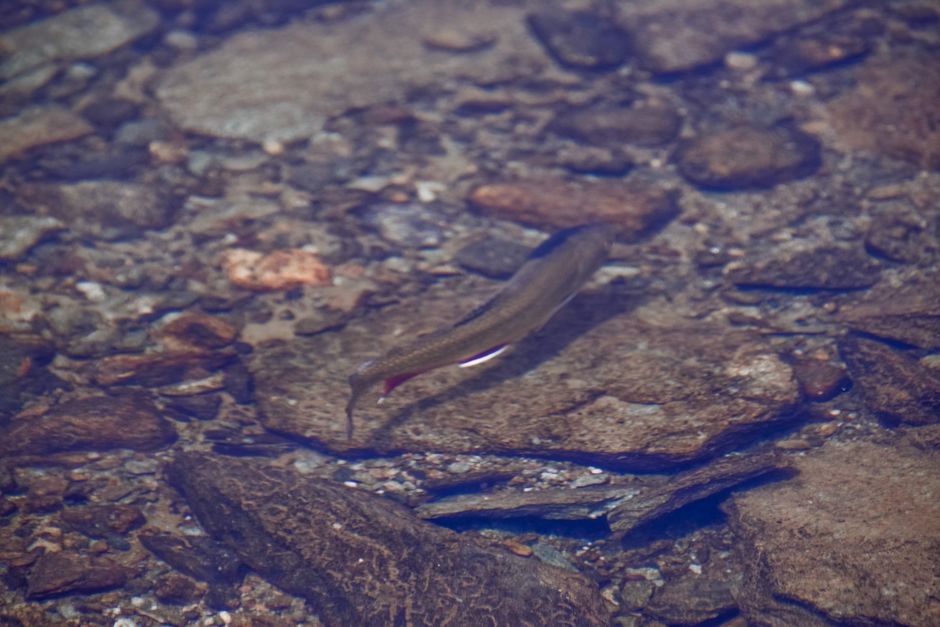
The WVDNR also supports stream conservation, habitat restoration, and protection of native brook trout populations. Protecting water quality and aquatic habitats remains essential to maintaining West Virginia's fishing opportunities for future generations. Learn more about native fish in our brook trout recovery guide.
Final Thoughts on Trout Stocking in West Virginia
Whether you prefer fishing the Cranberry River, exploring Glade Creek, or enjoying a local stocked lake, trout stocking in West Virginia creates opportunities for unforgettable outdoor experiences.
With winter and spring stockings, special fall releases, and the annual Gold Rush event, West Virginia continues to offer outstanding trout fishing opportunities. The best strategy is to monitor official WVDNR stocking reports, purchase the appropriate fishing licenses, and explore the state's beautiful public fishing waters.
Plan your next fishing trip and experience why West Virginia is one of Appalachia's premier trout fishing destinations.