
Trout Stocking in West Virginia: A Complete Guide to Finding Stocked Trout
Each year, trout are raised in state hatcheries and released into streams, rivers and lakes across West Virginia. Understanding how, when and where stocking happens can dramatically improve your chances of finding fish.
West Virginia is one of the best destinations in the eastern United States for trout fishing. With cold mountain streams, clear rivers, scenic lakes, and thousands of miles of flowing water, the Mountain State offers anglers opportunities to catch trout throughout much of the year. A major reason the fishing is so productive is trout stocking in West Virginia.
Each year, trout are raised in state hatcheries and released into streams, rivers, and lakes across West Virginia. These stockings create fishing opportunities for everyone from experienced fly fishermen exploring remote mountain streams to families taking children fishing for the first time.
If you're planning a West Virginia trout fishing trip, understanding trout stocking in West Virginia can dramatically improve your chances of finding fish. New to the state's waters? Start with our West Virginia trout streams guide to see where to fish.
How Trout Stocking in West Virginia Works
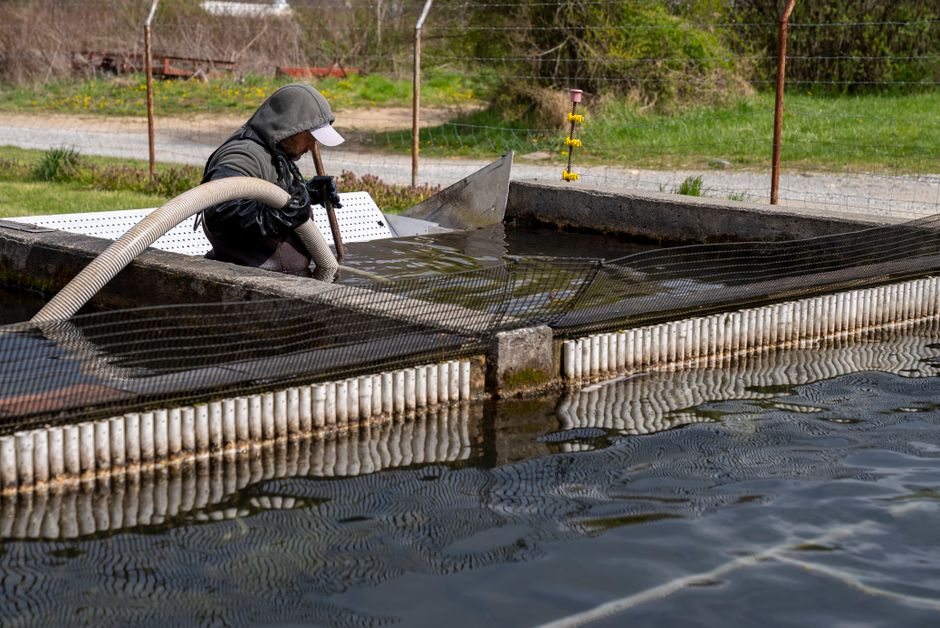
The West Virginia Division of Natural Resources (WVDNR) manages the state's trout stocking program. Trout raised in hatcheries are transported by stocking trucks and released into designated waters around the state.
The goal of trout stocking in West Virginia is to provide recreational fishing opportunities in waters capable of supporting trout, particularly during the cooler portions of the year.
West Virginia stocks several species of trout, including:
The golden rainbow trout is especially popular among West Virginia anglers. Its bright yellow-gold coloration makes the fish easy to identify and has helped make it an unofficial symbol of West Virginia trout fishing.
When Does Trout Stocking in West Virginia Take Place?
Timing is one of the most important things to understand about trout stocking in West Virginia.
Stocking schedules can change from year to year, so anglers should always check current WVDNR information before planning a trip. Stocking activity generally centers around the cooler months when water temperatures are favorable for trout.
Spring is traditionally one of the busiest periods.
As temperatures begin warming, trout trucks travel across the state delivering fish to designated streams and lakes. This makes spring an excellent time to explore West Virginia's trout waters. See our latest stocking news for seasonal updates.
West Virginia also offers additional stocking opportunities during other portions of the year, including fall stockings in selected waters.
Because exact dates, waters, and stocking frequency can change, checking current stocking reports is much more reliable than depending on an old schedule.
Where Does Trout Stocking in West Virginia Occur?
One of the great things about trout stocking in West Virginia is the enormous variety of fishing environments available.
You might spend one morning fishing a tiny mountain stream surrounded by rhododendron and the next fishing a broad river flowing through a deep Appalachian valley.
Stocked waters can be found throughout the state, but some of the greatest concentrations are located in the mountainous regions of eastern, central, and southern West Virginia. Popular trout fishing areas include waters around:
- Randolph County — The Elkins region provides access to numerous cold-water streams and rivers.
- Pocahontas County — Home to some of West Virginia's most beautiful mountain trout waters.
- Greenbrier County — Offers a combination of rivers, creeks, and mountain streams.
- Webster County — Known for remote Appalachian trout fishing opportunities.
- Nicholas County — Provides access to productive streams in the central part of the state.
- Raleigh County — Southern West Virginia anglers have several stocked fishing opportunities within driving distance of Beckley.
- Mercer County — Offers trout fishing opportunities in the southern portion of the state.
The exact list of stocked waters can change, making current WVDNR information essential when planning a trip. Our trout streams & lakes guide covers many of the state's most popular destinations.
Popular Stocked Trout Waters in West Virginia
West Virginia has a long list of waters associated with trout fishing. Depending on the current year's stocking program, anglers may want to investigate destinations such as the Cranberry River, Williams River, Shavers Fork, Elk River, Anthony Creek and other mountain streams.
The Cranberry River is particularly famous among trout anglers. Located in the Monongahela National Forest region, it offers beautiful scenery and access to miles of mountain water.
The Williams River is another favorite. Its location within the Monongahela National Forest makes a fishing trip here feel like a genuine Appalachian wilderness experience.
Shavers Fork provides another type of experience, with extensive trout habitat stretching through some of West Virginia's most scenic mountain country.
Always confirm current stocking status and regulations before traveling specifically to fish one of these waters. Review the current West Virginia fishing regulations before you go.

West Virginia's Golden Rainbow Trout
No discussion of trout stocking in West Virginia would be complete without mentioning the golden rainbow trout.
The fish traces its history to a color mutation discovered in a West Virginia rainbow trout hatchery population. Through selective breeding, West Virginia developed the brilliantly colored trout that anglers recognize today.
Golden rainbow trout are not the same fish as the California golden trout. West Virginia's golden rainbow is a color variation of the rainbow trout.
Catching one has become something of a bucket-list experience for visiting anglers.
The fish are especially celebrated during West Virginia's Gold Rush stocking event, when golden rainbow trout are stocked in selected waters.
For families with young anglers, spotting a bright golden trout swimming through clear water can make an ordinary fishing trip unforgettable.
Best Baits for Stocked West Virginia Trout
Finding recently stocked fish is only half the challenge. You still have to convince them to bite.
Fortunately, stocked trout can often be caught using relatively simple equipment.
Popular choices include small spinners, spoons, trout dough bait, salmon eggs, worms and small artificial jigs.
Fly fishermen have another enormous selection of options. Nymphs, streamers and dry flies can all produce fish depending on water conditions and insect activity. Browse our fishing tips & techniques for fly selection advice.
Try changing your presentation if trout are visible but aren't biting. Downsizing your lure, using lighter line or switching colors can sometimes make an immediate difference.

How to Find Recently Stocked Trout
Following reports of trout stocking in West Virginia is an excellent starting point, but knowing how fish behave after release can give you another advantage.
Freshly stocked trout may initially remain relatively close to the stocking location. Over time, however, they can spread upstream and downstream.
This creates an interesting strategy.
Many anglers immediately fish around easy roadside access points where stocking trucks can reach the water. Those locations can certainly produce trout, but they also receive substantial fishing pressure.
Walk farther.
Explore pools, riffles and runs upstream or downstream from obvious stocking locations. Trout that have dispersed away from heavily fished access areas may provide excellent opportunities.
Look especially for deep pools, undercut banks, large rocks, current seams and areas where fast water meets slower water.
Trout Fishing in West Virginia's Mountains
The scenery is one reason trout stocking in West Virginia attracts anglers from outside the state.
Imagine standing beside a cold Appalachian stream on an early spring morning. Mist hangs above the water while mountains rise around the valley. The only sounds are rushing water and birds in the surrounding forest.
That experience is difficult to duplicate.
West Virginia's public lands also make it possible to combine trout fishing with camping, hiking, wildlife viewing and scenic drives.
Areas surrounding the Monongahela National Forest are particularly attractive for anglers interested in turning a fishing trip into a weekend outdoor adventure. Our Cranberry River guide is a great place to start planning one.
Don't Forget West Virginia Fishing Regulations
Before participating in trout stocking in West Virginia fishing opportunities, make sure you have the appropriate licenses and understand current regulations.
Licensing requirements, trout privileges, creel limits, size restrictions and special regulations can vary. See our West Virginia regulations & licensing page for details.
Some waters may also have special designations with different rules concerning bait, tackle, harvest or catch-and-release fishing.
Never assume that regulations for one stream apply to another.
Check the current West Virginia fishing regulations before your trip and pay attention to posted signs at the water.

Turn Trout Stocking Into a West Virginia Road Trip
One of the best ways to experience trout stocking in West Virginia is to make fishing part of a larger trip through the Mountain State.
A trout fishing adventure could include destinations such as the Cranberry Wilderness, Snowshoe Mountain region, Greenbrier Valley, New River Gorge region, Seneca Rocks, Spruce Knob or Blackwater Falls.
Fish early in the morning and spend the afternoon exploring a nearby state park, hiking trail, scenic overlook or small mountain town.
This is especially useful for families where not everyone wants to spend the entire day fishing.
Tips for a Successful West Virginia Trout Fishing Trip
Successful trout fishing often comes down to preparation.
Check recent stocking information before leaving home. Bring several types of bait or lures instead of relying on one presentation. Use light fishing line and relatively small hooks when conditions permit. Our tips & techniques section has more on equipment and presentation.
Also pay attention to water conditions.
Heavy rainfall can dramatically change a mountain stream overnight. Likewise, extremely clear water can make trout more cautious. Approaching quietly and avoiding unnecessary movement along the bank can improve your chances.
Most importantly, explore.
Some of the best trout fishing experiences aren't found directly beside the parking lot. West Virginia's mountains reward anglers willing to walk a little farther and discover the next pool.
Experience Trout Stocking in West Virginia
Trout stocking in West Virginia helps make the Mountain State an outstanding destination for freshwater anglers. From colorful golden rainbow trout to rainbows, browns and brook trout, anglers can pursue several varieties of trout against some of the most beautiful scenery in Appalachia.
Whether you're fishing the Cranberry River, exploring a small mountain creek or introducing a child to trout fishing at a local lake, there are opportunities for nearly every type of angler.
Before heading out, check the latest trout stocking in West Virginia reports from the West Virginia Division of Natural Resources, verify current fishing regulations and make sure you have the required licenses.
Then pack your fishing rod and start exploring.
With hundreds of miles of mountain water and new fish being stocked throughout the state's trout program, your next West Virginia fishing adventure could be waiting just around the bend.