Spring Trout Stocking Schedule Announced
The WV DNR has released the spring trout stocking schedule, with hundreds of thousands of rainbow, brown and golden trout headed to rivers, streams and lakes across the Mountain State.
Spring is the busiest season on West Virginia's trout waters, and it starts with the release of the West Virginia Division of Natural Resources (WVDNR) spring trout stocking schedule. The annual schedule tells anglers which waters are stocked, roughly when, and what species to expect.
For anyone planning a trip, the schedule is the single most useful planning tool of the year. It turns guesswork into a strategy — and it's free to check on the WVDNR website.
What the Spring Schedule Includes
The spring stocking schedule lists the waters slated for stocking over the coming months. Depending on the year, it covers hundreds of streams, rivers and lakes, from small backcountry creeks to larger rivers and family-friendly park lakes.
Stocked species typically include rainbow, brown, brook and golden rainbow trout. The hatchery-raised golden rainbow trout — the state's unofficial mascot — is always a favorite with families.
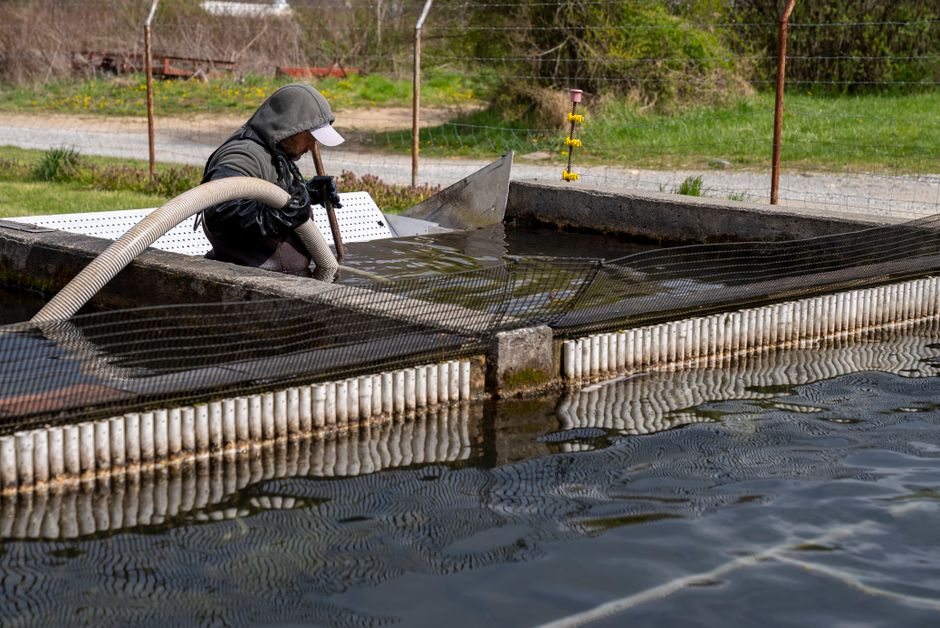
To understand how fish get from hatchery to stream, see our complete guide to trout stocking in West Virginia.
How to Use the Schedule
A stocking schedule is most valuable when you combine it with a little local knowledge.
- Pick a water close to home or a destination you want to explore from our trout streams & lakes guide.
- Cross-check the listed stocking dates for that water.
- Plan to fish within a few days to a week of a stocking for the highest catch rates.
Remember that dates can shift with weather and road conditions, so it's always worth confirming before you drive a long distance.
Fishing Freshly Stocked Waters
Freshly stocked trout tend to stay near the release point at first, then spread upstream and downstream. Easy roadside access points get the most pressure, so anglers willing to walk a little farther often find less-pressured fish.
Bank fishing with dough bait, eggs or small spinners is a great starting point, while fly anglers can do well with nymphs and streamers. Our tips & techniques section is full of ways to fine-tune your approach.
Check the Regulations Before You Go
Licensing, trout stamps, creel limits and special regulations can differ from one water to the next. Some stocked sections are managed with special tackle or harvest rules. Always review the current West Virginia fishing regulations and watch for posted signs at the water.
Confirm the latest schedule and stocking reports directly with the West Virginia Division of Natural Resources at wvdnr.gov, and keep an eye on our news page for updates.