Native Trout Streams WV: 20 Best Streams for Wild Brook Trout Fishing
Hidden in the Allegheny Mountains are hundreds of miles of cold, clear water where brook trout reproduce naturally. Here are 20 native trout streams worth exploring.
West Virginia may be famous for its trout stocking program, but some of the Mountain State's most rewarding fishing takes place far from the stocking trucks. Hidden in the Allegheny Mountains are hundreds of miles of cold, clear water where brook trout reproduce naturally. For anglers searching for native trout streams WV, these small mountain waters offer an entirely different experience.
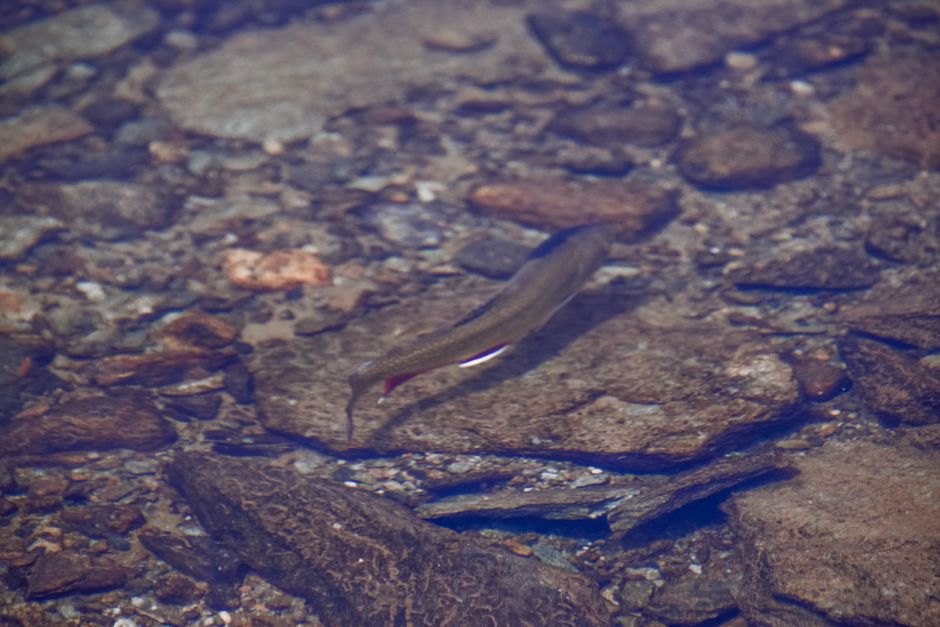
Brook trout are West Virginia's only native trout species. Rainbow, brown and golden rainbow trout may be popular with anglers, but they are not native to the state. The West Virginia Division of Natural Resources estimates that approximately 500 miles of native trout streams remain in West Virginia, representing only about 2% of the state's stream mileage. Learn to identify them in our trout species guide.
Most native trout streams WV anglers seek are small, steep and heavily shaded. Many are less than 15 feet wide and flow through remote portions of the Monongahela National Forest. If you want to experience West Virginia trout fishing in its wildest form, these 20 streams and headwater systems deserve a place on your list.
Top 20 Native Trout Streams WV Anglers Should Explore
1. Seneca Creek
Located in the Spruce Knob-Seneca Rocks region, Seneca Creek is one of West Virginia's classic wild trout destinations. Cold mountain water, plunge pools and forest cover create excellent brook trout habitat. Wild rainbow trout can also be found in the drainage. Reaching some of the better water requires hiking, which helps give Seneca Creek its backcountry character.
2. Cranberry River Headwaters
The Cranberry River watershed contains some of West Virginia's most remote trout country. While portions of the main Cranberry receive stocked trout, its upper watershed and tributaries provide habitat for wild native brook trout. WVDNR specifically identifies the Cranberry as one of the major waters associated with native brook trout tributaries. The surrounding Cranberry Wilderness and Monongahela National Forest make this a spectacular destination.
3. South Fork Cranberry River
The South Fork of the Cranberry River deserves separate recognition. Rising around Cranberry Mountain and flowing through the Cranberry Glades region, this small freestone stream provides classic Appalachian brook trout habitat. Access is largely by hiking or biking, making the South Fork especially attractive to anglers looking for solitude.
4. Williams River Headwaters
The Williams River is well known as a stocked trout destination, but the upper watershed contains native brook trout water. WVDNR specifically identifies the Williams River among the larger streams whose smaller tributaries contain native trout. Look toward the highest, coldest tributaries rather than focusing exclusively on the heavily fished roadside sections.
5. Middle Fork Williams River
The Middle Fork Williams River watershed is particularly important for wild trout conservation. WVDNR placed the entire Middle Fork Williams River watershed under catch-and-release special regulations in 2019. Its remote setting, forest canopy and cold water make it excellent brook trout habitat.
6. Tea Creek
Tea Creek is one of the most interesting native trout streams WV has to offer. Located near the Williams River and Highland Scenic Highway, the upper Tea Creek watershed supports wild native brook trout. The stream tumbles through heavily forested mountain terrain filled with pools, boulders and pocket water. WVDNR established catch-and-release regulations for the watershed upstream from Tea Creek Campground.
7. Right Fork Tea Creek
Anglers willing to explore beyond Tea Creek should investigate its Right Fork. This remote tributary supports wild native brook trout and flows through excellent high-elevation habitat. Expect small water, tight casting conditions and plenty of rhododendron.
8. Red Creek
Few places provide a more dramatic setting for native brook trout fishing than Red Creek in Dolly Sods. Upper Red Creek flows through one of West Virginia's most distinctive wilderness landscapes. Native brook trout survive in the colder headwaters and tributaries. The Red Creek watershed upstream from Laneville has received special catch-and-release protection.
9. South Fork Red Creek
The South Fork of Red Creek provides another opportunity to pursue brook trout in the Dolly Sods backcountry. The stream supports native brook trout, and conservation work including liming has been used to combat the effects of acidic water. This is true wilderness fishing where hiking and careful navigation are part of the experience.
10. Flatrock Run
Flatrock Run is a small tributary within the Red Creek/Dolly Sods drainage. Although considerably smaller than Red Creek, it contains native brook trout habitat. Small streams like Flatrock Run illustrate why finding the best native trout streams WV often means leaving larger, better-known rivers behind.
11. Stonecoal Run
Another Dolly Sods-area tributary worth exploring is Stonecoal Run, where native brook trout have been documented. Do not expect large trout. The appeal is catching naturally reproducing brookies in remote Appalachian water.
12. Otter Creek
The Otter Creek Wilderness provides one of West Virginia's premier backcountry environments. WVDNR has managed the Otter Creek watershed specifically for wild trout, and the entire watershed was included in expanded catch-and-release protections. This is excellent territory for anglers who enjoy combining backpacking with fishing.
13. Shavers Fork Headwaters
Shavers Fork is a large river by native brook trout standards, but its highest reaches and tributaries contain important brook trout habitat. The upper river around Cheat Bridge and the surrounding Monongahela National Forest offers remote trout fishing, while numerous smaller tributaries provide the classic small-stream experience. WVDNR has conducted extensive brook trout restoration and conservation work in the Shavers Fork drainage.
14. Upper Elk River Tributaries
The upper Elk River watershed near Slatyfork contains some of West Virginia's most famous trout country. The main river supports multiple trout species, but many of the small, cold tributaries in its headwaters provide brook trout habitat. WVDNR specifically lists the upper Elk among larger waters connected to native brook trout streams. These mountain tributaries are especially attractive to fly anglers.
15. Gandy Creek Headwaters
Gandy Creek flows through Randolph County and the Monongahela National Forest region. WVDNR identifies Gandy Creek as one of the mountain waters where brook trout spawning activity may be observed in small, cold headwater habitat. Explore the colder upper reaches and tributaries for the best wild brook trout habitat.
16. Milligan Creek
Located near Lewisburg in Greenbrier County, Milligan Creek offers a different experience from the remote wilderness waters farther north. West Virginia tourism resources highlight Milligan Creek for native brook trout and fly fishing. Its southern location makes it particularly interesting for anglers exploring native trout habitat outside the central Allegheny Highlands.
17. Meadow Creek of Anthony Creek
The Anthony Creek watershed contains some surprisingly important native brook trout habitat. A watershed study documented adult native brook trout and young fish in Meadow Creek of Anthony Creek, indicating successful natural reproduction and a self-sustaining population. That makes Meadow Creek an especially noteworthy addition to a list of native trout streams WV anglers should know.
18. North Fork of Anthony Creek
The same watershed research also reports confirmed native brook trout in the North Fork of Anthony Creek based on U.S. Forest Service records. Together, Meadow Creek and North Fork demonstrate how valuable small tributaries can be to West Virginia's remaining native trout populations.
19. Edwards Run
Located in Hampshire County, Edwards Run represents an important brook trout restoration success story. WVDNR began restoring brook trout to the stream using fish from a nearby donor population. Successful reproduction followed, and a portion of Edwards Run received Fly Fishing Only protection. Unlike untouched native populations, Edwards Run is best described as a restored native brook trout fishery.
20. Laurel Fork
Laurel Fork in the Monongahela National Forest rounds out the list with classic mountain brook trout habitat. The stream supports native brook trout in cold pools and undercut banks, while smaller tributaries such as Vance Run and Sams Run provide additional coldwater habitat. Access can require hiking, which helps preserve the wild character that makes native brook trout fishing so appealing.
What Makes Native Trout Streams WV Special?
Fishing native trout streams WV is dramatically different from fishing a freshly stocked river. Native brook trout have survived through generations of floods, droughts, logging, acid precipitation and changing water temperatures. Their survival depends heavily on cold water, forest canopy, clean gravel and healthy aquatic insect populations.
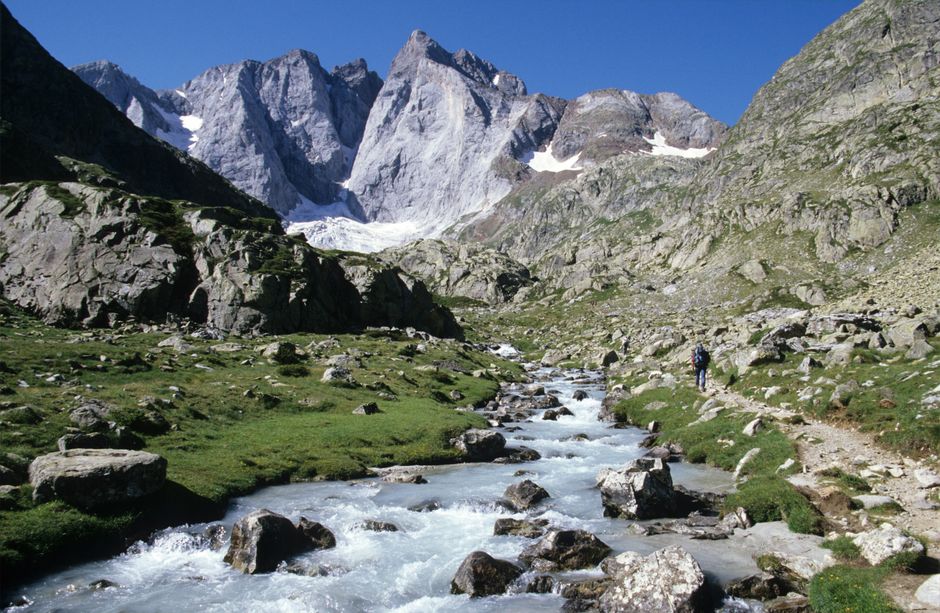
WVDNR notes that typical native brook trout streams are small, rocky, steep and frequently surrounded by rhododendron. The fish themselves aren't usually large. WVDNR reports that West Virginia native brook trout commonly average approximately five to six inches, with fish over 10 inches relatively uncommon.
But size isn't really the point. Catching a six-inch brook trout from a tiny stream at 3,000 or 4,000 feet can be far more memorable than catching a much larger hatchery trout beside a highway. If you're comparing wild and stocked water, our trout stocking guide explains the difference.
How to Fish Native Trout Streams WV
Light equipment is usually best. A short 2-, 3- or 4-weight fly rod works well for tight mountain streams. Small dry flies such as Elk Hair Caddis, Stimulators, Adams and Royal Wulffs can be extremely effective. See our fly fishing West Virginia guide and tips & techniques for more.
Terrestrial patterns become especially useful during summer because West Virginia brook trout consume insects that fall from surrounding vegetation. WVDNR notes that terrestrial insects become an important part of their diet during summer and early fall.
Approach pools carefully. Brook trout living in clear mountain water are extremely sensitive to movement. Instead of making long casts, move slowly upstream and make short, accurate presentations into plunge pools, undercut banks and pockets behind boulders.
Protecting West Virginia's Native Brook Trout
These fisheries are remarkably valuable but also fragile. Cold water is essential. Warming stream temperatures, habitat degradation, sedimentation, acidification and competition from non-native trout can all threaten brook trout populations.
Anglers can help by practicing catch-and-release, minimizing handling, wetting their hands before touching trout and avoiding fishing when water temperatures become dangerously warm. Brook trout spawn primarily during the fall. Their nests, called redds, are constructed in clean gravel, so anglers should also avoid walking through obvious spawning areas. Our native brook trout recovery article covers the conservation picture in more detail.
Always check the current WVDNR fishing regulations before visiting a stream because special regulations can change. Review the West Virginia fishing regulations guide before you go.
Discover Native Trout Streams WV
The most exciting thing about exploring native trout streams WV is realizing that this list only scratches the surface. West Virginia contains approximately 500 miles of native trout water, much of it hidden in small tributaries throughout the Allegheny Highlands.
Start with Seneca Creek, Cranberry, Tea Creek, Red Creek, Otter Creek, the Williams watershed and the high tributaries of Shavers Fork and the Elk. Then start studying topographic maps. Often, the tiny blue line disappearing into the Monongahela National Forest is exactly where the adventure begins.
For anglers willing to hike beyond the road, crawl through rhododendron and cast into pools barely larger than a bathtub, native trout streams WV provide something that stocked fisheries cannot duplicate: the opportunity to catch West Virginia's only native trout in the cold Appalachian streams where brook trout have survived for generations.