Best Trout Live Bait: Top 10 Natural Baits for Catching More Trout
Which bait to use, when to use it, and how to present it — the top 10 natural baits, seasonal picks, and rigging techniques for rainbow, brown, brook, and golden trout.
Finding the best trout live bait can make the difference between a successful fishing trip and spending an entire day on the water without a bite. Whether you are fishing a mountain stream, a stocked lake, or a cold-water river, live bait can be one of the most effective ways to catch rainbow, brown, brook, and golden rainbow trout.
Trout naturally feed on insects, worms, small fish, crustaceans, and other aquatic organisms. Using live bait allows anglers to imitate these natural food sources while taking advantage of movement, scent, and appearance to attract hungry fish.
Understanding which bait to use, when to use it, and how to present it can significantly improve your fishing success. This guide explores the best trout live bait options, fishing techniques, seasonal considerations, and tips for landing more trout.
Top 10 Best Trout Live Bait Options
1. Nightcrawlers
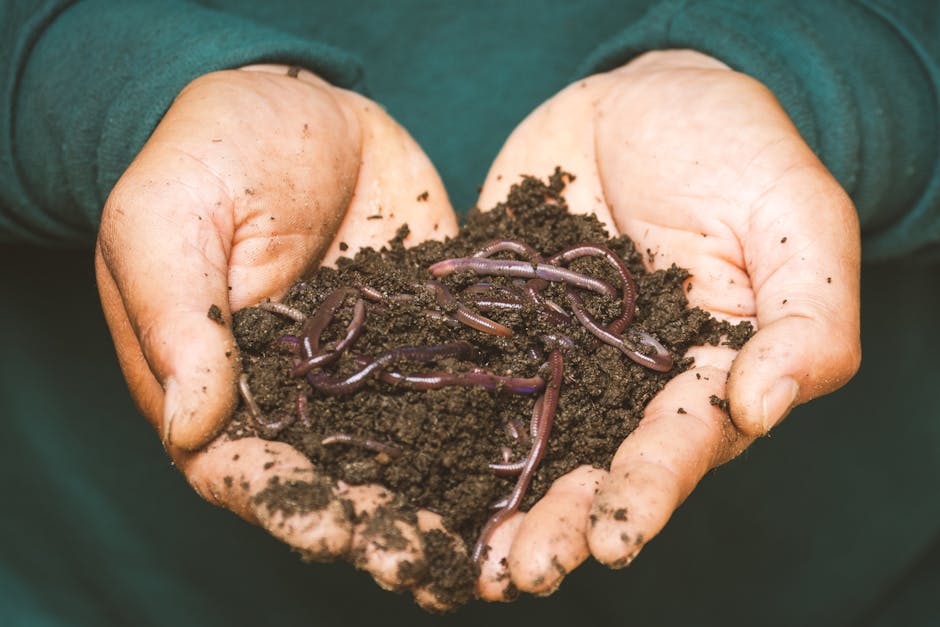
Nightcrawlers are widely considered among the best trout live bait options available. Their natural movement, scent, and availability make them an excellent choice for beginners and experienced anglers.
Nightcrawlers are particularly effective in rivers, streams, ponds, and stocked lakes. Following rainfall, earthworms are often washed into waterways, creating a natural feeding opportunity for trout. For smaller trout, use a portion of a nightcrawler rather than an entire worm. Larger brown and rainbow trout may readily strike a full-sized nightcrawler. Fish them near the bottom or allow them to drift naturally with the current.
2. Red Worms
Red worms are smaller than traditional nightcrawlers and are especially effective when fishing shallow mountain streams. Their smaller profile makes them an attractive option for brook trout and smaller rainbow trout.
Red worms work particularly well in clear water where trout may be cautious about larger baits. They are inexpensive, easy to store, and available at many bait shops. Using a small hook and lightweight fishing line can help create a more natural presentation.
3. Waxworms
Waxworms are the larvae of wax moths and are another excellent choice when searching for the best trout live bait. Their soft bodies and light coloration make them appealing to trout. Waxworms are particularly popular among anglers fishing stocked ponds, lakes, and during winter fishing trips.
Try fishing one or two waxworms beneath a small bobber or on a lightweight hook near the bottom. They can be particularly productive when colder water temperatures reduce trout activity.
4. Mealworms
Mealworms are affordable, durable, and easy to transport. These beetle larvae provide a natural food presentation that can attract several trout species. Mealworms are effective in streams, lakes, and ponds, especially when trout are feeding on smaller insects.
Their relatively firm bodies allow them to remain on a fishing hook longer than some softer live baits. This makes them a convenient option when casting repeatedly.
5. Live Minnows
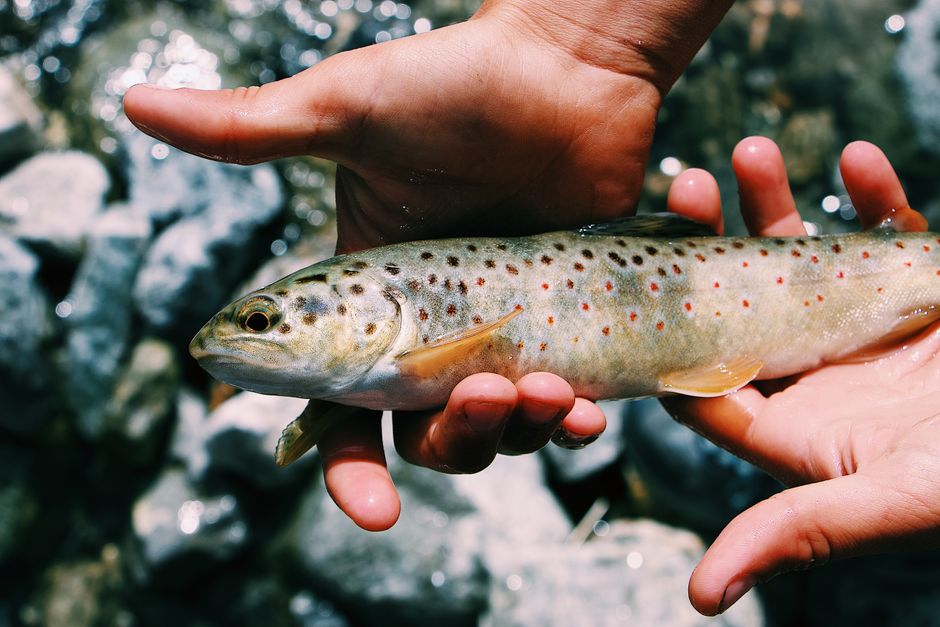
Live minnows are among the best trout live bait choices for anglers targeting larger fish, particularly trophy-sized brown trout. As trout grow, their diet often includes more small fish. Minnows imitate this natural food source and can attract aggressive strikes.
Small minnows can be fished beneath a bobber or allowed to swim naturally near deeper pools, submerged rocks, and fallen trees. Always verify local regulations before using live minnows, as some trout waters prohibit their use.
6. Crickets
Crickets are an excellent natural bait during warmer months when terrestrial insects frequently fall into streams and rivers. Trout often wait beneath overhanging vegetation for insects to land on the water. Fishing a live cricket near these areas can produce exciting surface strikes. Crickets are particularly effective during summer and early fall when insect activity is high.
7. Grasshoppers
Grasshoppers are another outstanding warm-weather trout bait. They are especially productive in streams surrounded by grassy banks, fields, and meadows. During late summer, grasshoppers frequently fall into waterways, providing trout with a substantial meal. Allow a grasshopper to float naturally along the surface or drift beneath overhanging vegetation where trout may be waiting.
8. Maggots and Spikes
Maggots, sometimes sold as spikes, are small insect larvae that can be extremely effective for trout fishing. Their small size makes them useful when trout are feeding selectively or when fishing pressure is high. They are also popular for winter fishing because they offer an easy meal for less active trout. Multiple maggots can be placed on a small hook to increase visibility and movement.
9. Hellgrammites
Hellgrammites are aquatic larvae of dobsonflies and are a natural food source in many rocky rivers and streams. Their movement and size can make them particularly attractive to larger trout. Hellgrammites are often found beneath submerged rocks in flowing water. They can be an excellent choice when fishing deeper pools and rocky river channels. Handle them carefully because they can pinch, and check local bait collection regulations.
10. Live Crayfish
Small crayfish can be highly effective when targeting larger brown and rainbow trout. Trout living in rocky rivers may naturally encounter crayfish while feeding near the bottom. Smaller crayfish can provide an appealing, protein-rich meal. Fish them near submerged rocks, deep pools, and underwater structures where larger trout frequently hide. Check regulations before collecting or using live crayfish.
Best Trout Live Bait Comparison Chart
| Live Bait | Best Fishing Location | Best Season |
|---|---|---|
| Nightcrawlers | Rivers, streams and lakes | Year-round |
| Red worms | Small mountain streams | Spring and fall |
| Waxworms | Stocked lakes and ponds | Fall and winter |
| Mealworms | Streams and ponds | Year-round |
| Live minnows | Deep pools and rivers | Spring and fall |
| Crickets | Shallow streams | Summer |
| Grasshoppers | Streams with grassy banks | Summer and early fall |
| Maggots | Lakes and ponds | Winter and spring |
| Hellgrammites | Rocky rivers | Spring and summer |
| Crayfish | Deep, rocky waterways | Summer and fall |
Best Trout Live Bait by Season
Selecting the right bait based on the season can increase your chances of catching trout.
- Spring: Nightcrawlers, red worms, minnows, and hellgrammites are excellent choices. Spring rainfall often introduces natural food into streams and rivers.
- Summer: Grasshoppers, crickets, mealworms, and small crayfish can be productive. Early morning and evening generally provide better fishing opportunities when water temperatures are cooler.
- Fall: Nightcrawlers and minnows are particularly effective as trout prepare for colder conditions.
- Winter: Waxworms, maggots, and small mealworms are excellent options when trout become less active and feed less aggressively.
How to Rig Live Bait for Trout Fishing
Even the best trout live bait will be less effective if it is not presented properly. Trout can be cautious, particularly in clear mountain streams. Consider using the following fishing equipment:
- Lightweight or ultralight spinning rod
- 2- to 6-pound test fishing line
- Size 6 to 12 fishing hooks, depending on bait size
- Small split-shot sinkers
- Lightweight bobbers
- Small swivels to reduce line twisting
When fishing streams, cast upstream and allow your bait to drift naturally with the current. Use only enough weight to keep the bait within the trout's feeding zone. When fishing stocked lakes, experiment with different depths until you locate actively feeding fish.
Gear up with the right terminal tackle from hooks and swivels and trout fishing line at our sister store, Trout Fishing WV.
Best Trout Live Bait for West Virginia Fishing
West Virginia offers outstanding trout fishing opportunities throughout its mountain streams, rivers, and stocked lakes. Popular trout fishing destinations include the Cranberry River, Williams River, South Branch of the Potomac River, Elk River, Shavers Fork, and the North Fork of the South Branch.
Nightcrawlers, red worms, and waxworms are excellent starting choices for waters where natural bait is permitted. Anglers targeting larger brown trout may also find minnows and hellgrammites productive where legal.
Some West Virginia trout waters have artificial-lure-only or special catch-and-release restrictions. Always consult the current fishing regulations through the West Virginia Division of Natural Resources and our fishing regulations page before fishing.
Stock up on proven natural presentations in the trout fishing bait and trout fishing lures collections at our sister store, Trout Fishing WV — plus rod combos, reels, and tackle boxes to complete your setup.
Tips for Catching More Trout With Live Bait
Finding the best trout live bait is only part of becoming a successful trout angler. Proper presentation and understanding trout behavior are equally important.
- Keep your live bait fresh and active.
- Use small hooks and lightweight fishing line.
- Avoid excessive sinker weight.
- Fish near submerged rocks, deep pools, and current breaks.
- Approach clear streams quietly to avoid spooking fish.
- Change bait if trout are not responding.
- Avoid fishing for trout during excessively warm water conditions.
- Set the hook promptly to reduce the risk of deep hooking.
Anglers practicing catch-and-release should consider single barbless hooks and artificial lures to reduce potential injuries to trout. More techniques live on our tips & techniques page and in our lake trout fishing guide.
Frequently Asked Questions
What is the best overall live bait for trout?
Nightcrawlers are arguably the best all-around live bait for trout because they are affordable, readily available, and effective in many different fishing environments.
What is the best live bait for stocked rainbow trout?
Nightcrawlers, waxworms, mealworms, and red worms are excellent options for catching stocked rainbow trout.
What is the best live bait for big brown trout?
Live minnows, nightcrawlers, hellgrammites, and small crayfish can be particularly effective for larger brown trout where permitted.
Do trout prefer live bait or artificial lures?
Live bait offers natural movement and scent, which can be especially effective when trout are reluctant to strike. However, artificial lures can be equally productive under the right conditions and are often better suited for catch-and-release fishing.
Final Thoughts
Choosing the best trout live bait depends on the season, water conditions, trout species, and natural food sources available. While nightcrawlers remain one of the most reliable choices, waxworms, mealworms, minnows, crickets, and other natural baits can provide excellent results.
Whether you are fishing a remote mountain stream or a freshly stocked lake, experimenting with different live baits and fishing techniques can help you become a more successful angler.
Remember to follow local fishing regulations, protect natural trout habitats, and practice responsible fishing. With the right bait, equipment, and presentation, your next trout fishing adventure could be your most successful yet.