
Best Fly Fishing in West Virginia: 8 Incredible Trout Fishing Destinations
From the famous Elk River to the remote waters of the Cranberry Wilderness — eight outstanding destinations with the fish you'll encounter, productive fly patterns, and directions to plan your next adventure.
West Virginia is a paradise for anglers looking for beautiful mountain streams, cold-water trout fishing, and peaceful outdoor adventures. With its rugged Appalachian Mountains, crystal-clear rivers, and miles of public fishing waters, the Mountain State offers some of the finest fly fishing opportunities in the eastern United States.
Whether you're an experienced fly fisherman searching for wild brook trout or a beginner hoping to catch your first rainbow trout, finding the best fly fishing in West Virginia is easier than you might think. This guide explores eight excellent locations, including the fish you'll encounter, productive fly patterns, and directions to help you plan your next fishing adventure.
1. Elk River – Webster County, West Virginia
The Elk River is widely considered one of the premier destinations for the best fly fishing in West Virginia. Its upper reaches are especially popular for trout fishing.
Fish species: Rainbow trout, brown trout, and brook trout in suitable upper tributaries.
The Elk River offers limestone-influenced water, productive insect hatches, and excellent opportunities to fish dry flies and nymphs. Anglers frequently use Blue-Winged Olives, Elk Hair Caddis, Pheasant Tail Nymphs, and small midges. See our West Virginia fly patterns guide for more proven choices.
Directions: From Webster Springs, follow WV Route 15 east toward the upper Elk River and its tributaries. For the well-known catch-and-release area, continue toward the Elk Springs area and use designated public fishing access.
Best time to fish: April through June and September through October.
2. Cranberry River – Nicholas and Pocahontas Counties
The Cranberry River is a spectacular fishing destination surrounded by the Monongahela National Forest. Its remote setting, limited vehicle access along substantial stretches, and beautiful mountain scenery make it especially attractive to fly fishermen seeking solitude.
Fish species: Rainbow trout, brown trout, and brook trout.
The river features deep pools, rocky riffles, and long stretches of cold water. Popular flies include Woolly Buggers, Hare's Ear Nymphs, Prince Nymphs, and Adams dry flies.
Directions: From Richwood, travel east on WV Route 39/55 toward the Cranberry Glades area. Access the Cranberry River corridor from the designated trailheads and forest roads, including the Cranberry River Trail near Woodbine. Many productive sections require hiking or bicycling. Read our full Cranberry River trout fishing guide.
Best time to fish: April through June, with additional opportunities during cooler fall weather.
3. Williams River – Pocahontas and Webster Counties
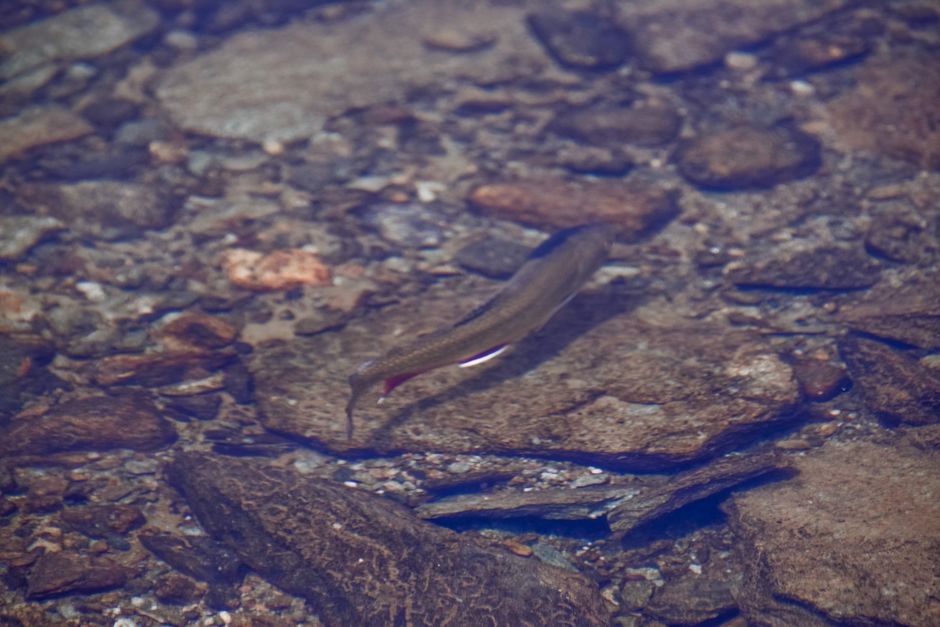
The Williams River is another excellent choice for anglers searching for the best fly fishing in West Virginia. Flowing through the Monongahela National Forest, the Williams River features scenic pools, fast-moving riffles, and relatively easy access to several fishing areas.
Fish species: Rainbow trout, brown trout, and brook trout in upper watershed habitats.
The Williams River is particularly attractive to anglers who enjoy exploring different stretches of water throughout the day. Stimulators, Copper Johns, Pheasant Tails, and small streamers are useful fly choices. Find it and more in our trout streams directory.
Directions: From Marlinton, take WV Route 39 west toward the Monongahela National Forest. Turn onto Forest Road 86, also known as Williams River Road, where accessible, and follow it to designated pull-offs and fishing locations. Check seasonal road conditions before traveling.
Best time to fish: March through June and during cooler fall months.
4. North Fork of the South Branch Potomac River – Pendleton County
The North Fork of the South Branch Potomac River offers an outstanding combination of mountain scenery and trout fishing opportunities. Located near Seneca Rocks, this river attracts anglers looking for stocked trout as well as challenging fishing conditions in a beautiful Appalachian setting.
Fish species: Rainbow trout, brown trout, and occasional brook trout in colder headwaters.
Anglers can experiment with dry flies, bead-head nymphs, and streamers. Fishing conditions vary significantly with rainfall and water temperature. Learn more in our fly fishing West Virginia guide.
Directions: From Petersburg, travel south on WV Route 28/55 toward Seneca Rocks. Continue toward the North Fork valley and use established public fishing access points along the river. Confirm access because some streamside property is privately owned.
Best time to fish: March through May and October.
5. Shavers Fork of the Cheat River – Randolph County
Shavers Fork is one of the state's most celebrated trout fisheries, offering everything from accessible stocked sections to more remote mountain fishing.
Fish species: Rainbow trout, brown trout, and brook trout in colder headwaters.
The river's elevation helps support cold-water fishing, while its varied habitat provides opportunities for both beginners and experienced fly fishermen. Shavers Fork is an excellent option for anglers seeking the best fly fishing in West Virginia without committing to a lengthy wilderness hike. Meet the species in our trout species guide.
Directions: From Elkins, travel east on US Route 33 toward Bowden. Look for public access along Shavers Fork near Bowden and further upstream toward the Cheat Wildlife Management Area. The Bemis area is another popular destination.
Best time to fish: April through June and October.
6. Glade Creek – Raleigh County
Located within New River Gorge National Park and Preserve, Glade Creek is one of southern West Virginia's most scenic trout streams.
Fish species: Rainbow trout, brown trout, and brook trout in suitable headwater habitats.
The creek features cascading waterfalls, deep pools, and beautiful forest scenery. Anglers should consider smaller dry flies, bead-head nymphs, and Woolly Buggers.
Directions: From Beckley, take US Route 19 north toward the New River Gorge region. Follow WV Route 41 toward Prince and take Glade Creek Road to the designated access area. The Glade Creek Trail provides additional fishing access on foot. See our full Glade Creek trout fishing guide.
Best time to fish: March through May and October.
Note: A three-mile section from the mouth upstream to the National Park Service footbridge is designated catch-and-release trout water.
7. Seneca Creek – Pendleton County
Seneca Creek is an excellent destination for anglers who enjoy smaller streams, quiet surroundings, and technical fly fishing.
Fish species: Brook trout and other trout where suitable habitat and stocking support them.
Small dry flies, such as Parachute Adams and Elk Hair Caddis, are particularly useful in shallow pools and riffles. Explore more wild brook trout water in our native trout streams guide.
Directions: From Seneca Rocks, travel south on WV Route 28 and east on US Route 33 toward the Spruce Knob area. Follow signs and forest roads toward the Seneca Creek trailheads. The Seneca Creek Trail provides access to remote fishing areas.
Best time to fish: April through June and September through October.
8. Dogway Fork of the Cranberry River – Monongahela National Forest
For anglers seeking solitude and wild mountain trout, Dogway Fork deserves a place among the best fly fishing in West Virginia. This remote tributary of the Cranberry River is known for its wilderness setting and challenging small-stream fishing.
Fish species: Primarily wild brook trout in suitable headwater sections.
Lightweight fly rods, small dry flies, and careful presentations are ideal for these narrow waters.
Directions: From Richwood, follow WV Route 39/55 east toward the Cranberry Wilderness. Access Dogway Fork on foot using National Forest Route 78 and designated connecting trails. Carry a forest map and confirm trail conditions before departing.
Best time to fish: May through June and September.
Note: Dogway Fork is designated fly-fishing-only water, with mandatory catch-and-release regulations.
Best Seasons for Fly Fishing in West Virginia
| Season | Fishing conditions |
|---|---|
| Spring (March–May) | Excellent stocked trout opportunities and active insect hatches |
| Summer (June–August) | Early mornings and cold headwater streams are best |
| Fall (September–November) | Cooler temperatures and opportunities for brown trout |
| Winter (December–February) | Slower fishing, with midges and deep-water nymphing often productive |
Essential Fly Fishing Tips
Finding the best fly fishing in West Virginia requires more than choosing the right stream. Successful anglers pay attention to water temperature, insect activity, and fishing regulations.
A 3-weight or 4-weight rod is useful for small mountain streams, while a 5-weight rod offers versatility on larger rivers. Carry a selection of dry flies, nymphs, and streamers. Our tips & techniques page covers reading water, presentations, and more.
Before heading out, check the West Virginia fishing regulations and the WVDNR fishing regulations page. Some waters have year-round catch-and-release restrictions, while designated delayed-harvest sections have seasonal rules. A valid fishing license and applicable trout privileges are also important. Time your trips with the trout stocking schedule.
During hot weather, avoid fishing when water temperatures become dangerously warm for trout. Respect private property, practice careful catch-and-release techniques, and leave streambanks cleaner than you found them.
Final Thoughts: Discover the Best Fly Fishing in West Virginia
West Virginia offers an incredible variety of fly fishing opportunities, from the remote Cranberry Wilderness to the easily accessible waters of Shavers Fork.
For beginners, the Williams River and Shavers Fork are excellent starting points. Experienced anglers looking for wild trout and solitude should explore Seneca Creek and Dogway Fork. Those seeking breathtaking scenery should consider Glade Creek or the upper Elk River.
No matter which destination you choose, the best fly fishing in West Virginia combines spectacular Appalachian scenery, challenging trout, and unforgettable days on the water.
Pack your fly rod, lace up your wading boots, and discover why West Virginia deserves a place on every fly fisherman's bucket list.